Japan–U.S. Import & Distribution · Mountain View, California
TOP TAILORLLC · Japan–U.S. Trade
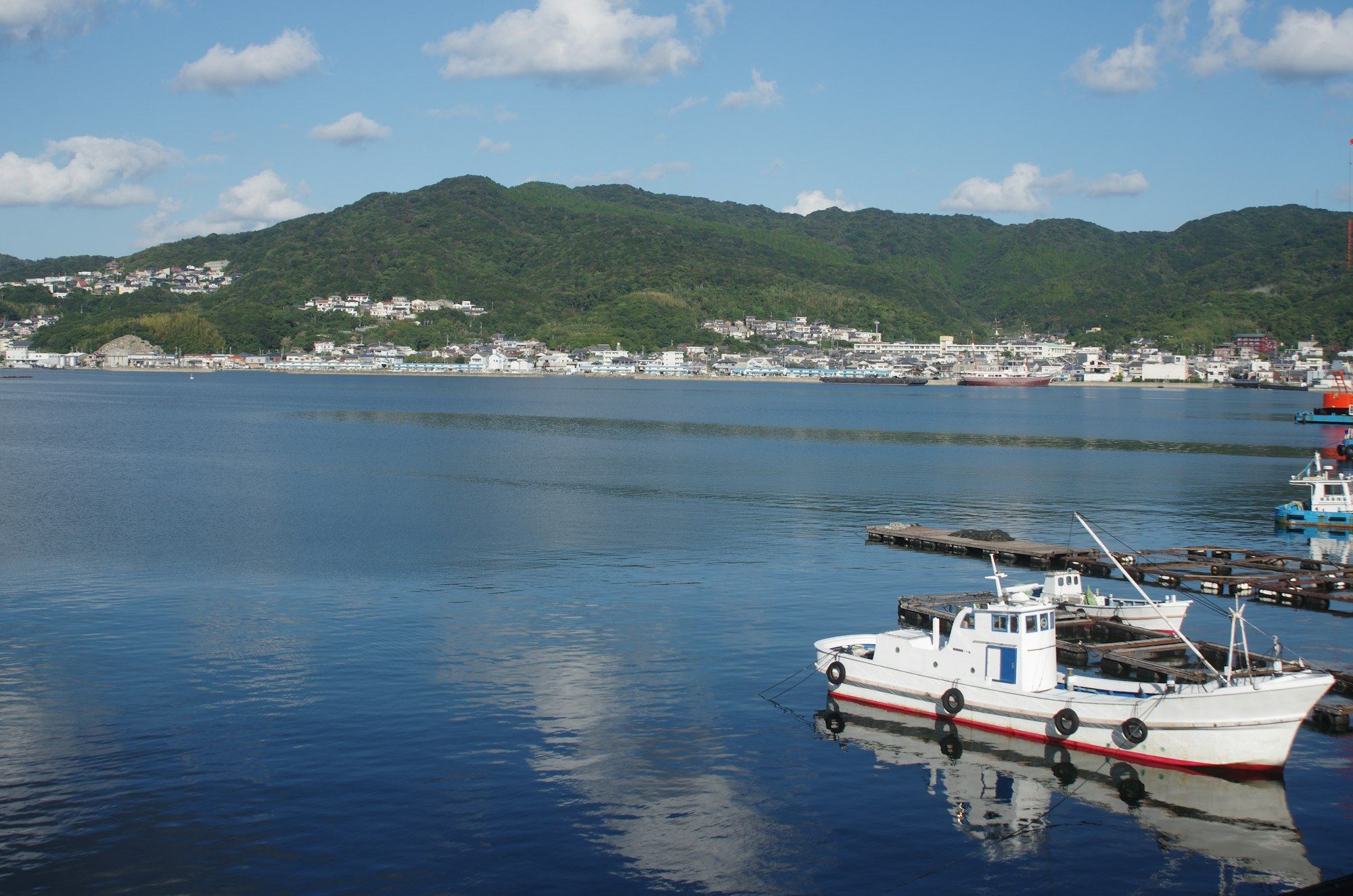
Fishing boat moored in a calm bay along the Japanese coast

Japanese Seafood Import Program

Direct imports of premium Japanese farmed seafood for U.S. supermarket chains and seafood & foodservice distributors. The program starts with Hamachi and is built for full-container volumes and supermarket-grade compliance.

Core species
Hamachi / Buri
Product forms
Fillets, loins & kama · IVP
Shipping
FCL · 40-ft reefer container
U.S. gateways
Port of Oakland · Port of Los Angeles

Why Hamachi

Hamachi is one of the most recognized Japanese fish on American sushi menus and in supermarket sushi cases. Japan’s yellowtail aquaculture is among the most established in the world, and frozen IVP formats hold their quality well across the Pacific.
  • Strong, year-round demand in both retail and foodservice
  • Clear specifications that U.S. buyers already understand
  • Frozen formats suited to full-container ocean freight
  • A natural lead product for Kanpachi, Madai and Hotate to follow
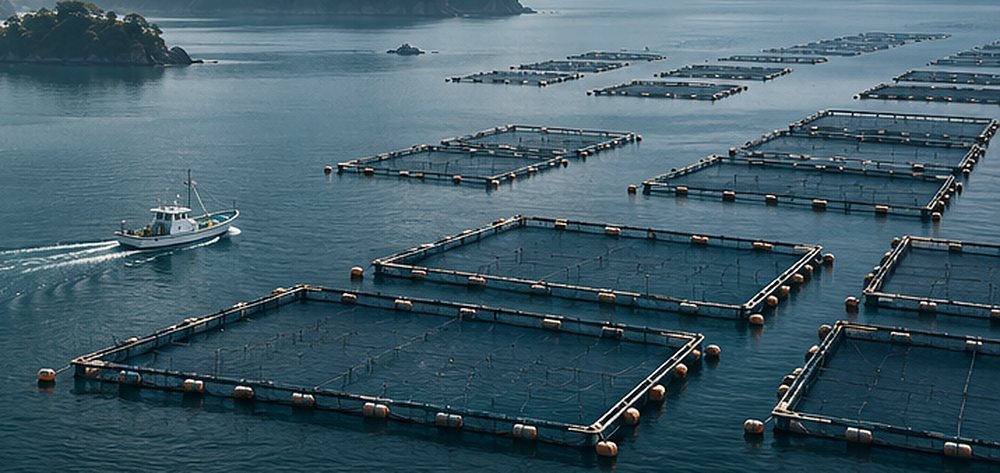
Square aquaculture net pens in a Japanese bay
Yellowtail aquaculture · Southern Japan

Hamachi / Buri · Seriola quinqueradiata

Target specifications for our Phase 1 program. Final specifications are agreed per buyer program and confirmed in writing with each processor before production.

Product formDescriptionSize / gradePackingPrimary channels
Skinless filletPhase 1Skin removed, pin bones out, trimmed to buyer standard1.7–2.0 kg+ per pieceIVP, master cartonSupermarket sushiFoodservice
Skin-on filletPhase 1Scaled, skin on, pin bones out1.7–2.0 kg+ per pieceIVP, master cartonFoodserviceRestaurants
LoinPhase 1Trimmed back and belly loins, sushi- and sashimi-readyGraded by sizeIVP, master cartonSupermarket sushiRestaurants
Kama (collar)Phase 1Collar with pectoral fin, for grillingGraded by sizeIVP or bulk-packedIzakaya & grillAsian supermarkets
Retail packsPhase 3Portioned, labeled consumer packsPer retailer programRetail-ready, COOL-labeledFrozen seafood case

Buyer Specification Checklist

Agreed with the processor and the buyer before the first shipment

Skinning standardSkin-on or skinless; silver skin and trimming level defined per program.
Bloodline trimExtent of dark-meat (chiai) removal for sushi and sashimi use.
Color retentionTreated or untreated color, per buyer program, and labeled as required.
Fat contentSeasonal fat levels and how they are graded and communicated.
Usable yieldExpected yield per fillet or loin after thawing and trimming.
Freezing & storageUltra-low freezing and storage at −50 °C (−58 °F) or below.
Packing & labelingIVP film, carton count and weight, English labels and lot codes.
Shelf life & datingProduction and best-by dating format agreed per buyer.
Traceability lotLot code carried from processor to the customer’s receiving dock.

Product Pipeline

New species are added once the Hamachi program is running at full-container scale and our buyers have confirmed demand.

Phase 1 · LaunchingHamachi / BuriSeriola quinqueradiata — fillets, loins, kama. Kyushu & Shikoku.
Phase 2 · PlannedKanpachiSeriola dumerili, greater amberjack — fillets and loins. Kagoshima.
Phase 2 · PlannedMadaiPagrus major, red sea bream — fillets for sushi and cooked dishes. Ehime.
Phase 2 · PlannedHotateMizuhopecten yessoensis, Japanese scallop — frozen sashimi-grade adductors. Hokkaido & Aomori.
Phase 3 · PlannedRetail-pack Japanese seafoodSupermarket-ready, portioned and labeled packs of Japanese seafood for the frozen case, developed together with our supermarket partner’s seafood category team.

Sourcing Regions

We work with processors in Japan’s main aquaculture regions for each species. Country of origin and farm-raised method are carried through to the retail label.

Kyushu

Kagoshima · Ōita · Miyazaki · Nagasaki

Japan’s leading region for farmed yellowtail and amberjack, with established export processors.

Hamachi / BuriKanpachi
Shikoku

Ehime · Kōchi

Major producers of farmed yellowtail and Japan’s largest red sea bream aquaculture.

Hamachi / BuriMadai
Northern Japan

Hokkaido · Aomori

Cold-water scallop production, frozen at source for sashimi-grade quality.

Hotate

Cold Chain & Logistics

Ultra-low-temperature 3PL storage and refrigerated carriers are arranged on the West Coast, close to our ports of entry and to our customers’ distribution centers.
  1. Processing in JapanFilleted, IVP-packed and frozen to specification−50 °C or below
  2. Trans-Pacific reeferFCL shipment with temperature recorders40-ft reefer
  3. U.S. entryFDA prior notice, CBP entry, importer verificationOakland · LA
  4. Ultra-low 3PL storageReceived by lot, stored and inventoriedFSMA 204 lots
  5. Refrigerated truckingTo supermarket DCs and distributor warehousesFrozen
  6. Customer deliveryFrozen case, sushi counter and restaurant kitchensCOOL-labeled
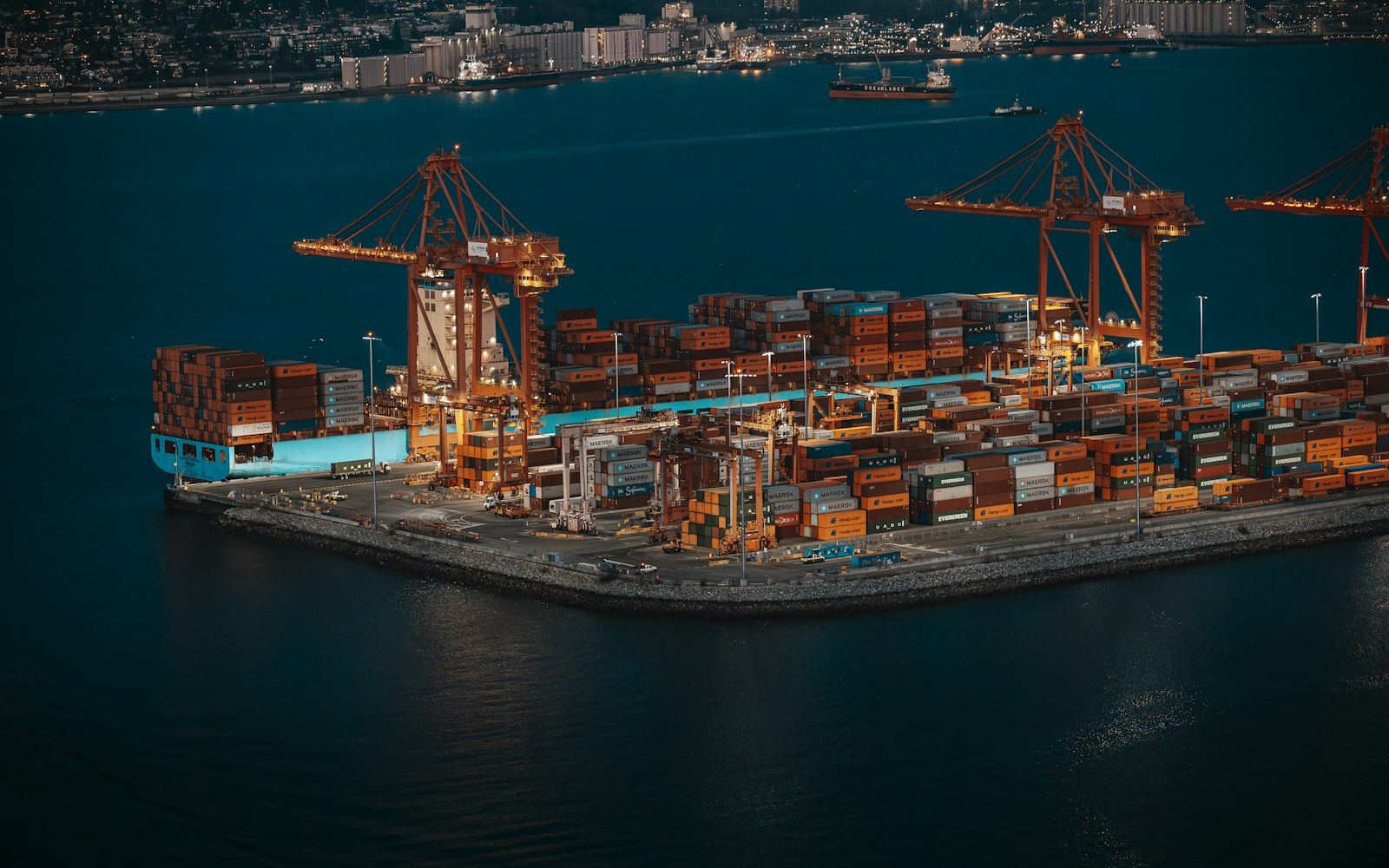
Aerial view of a container terminal at dusk
GatewayWest Coast container terminals
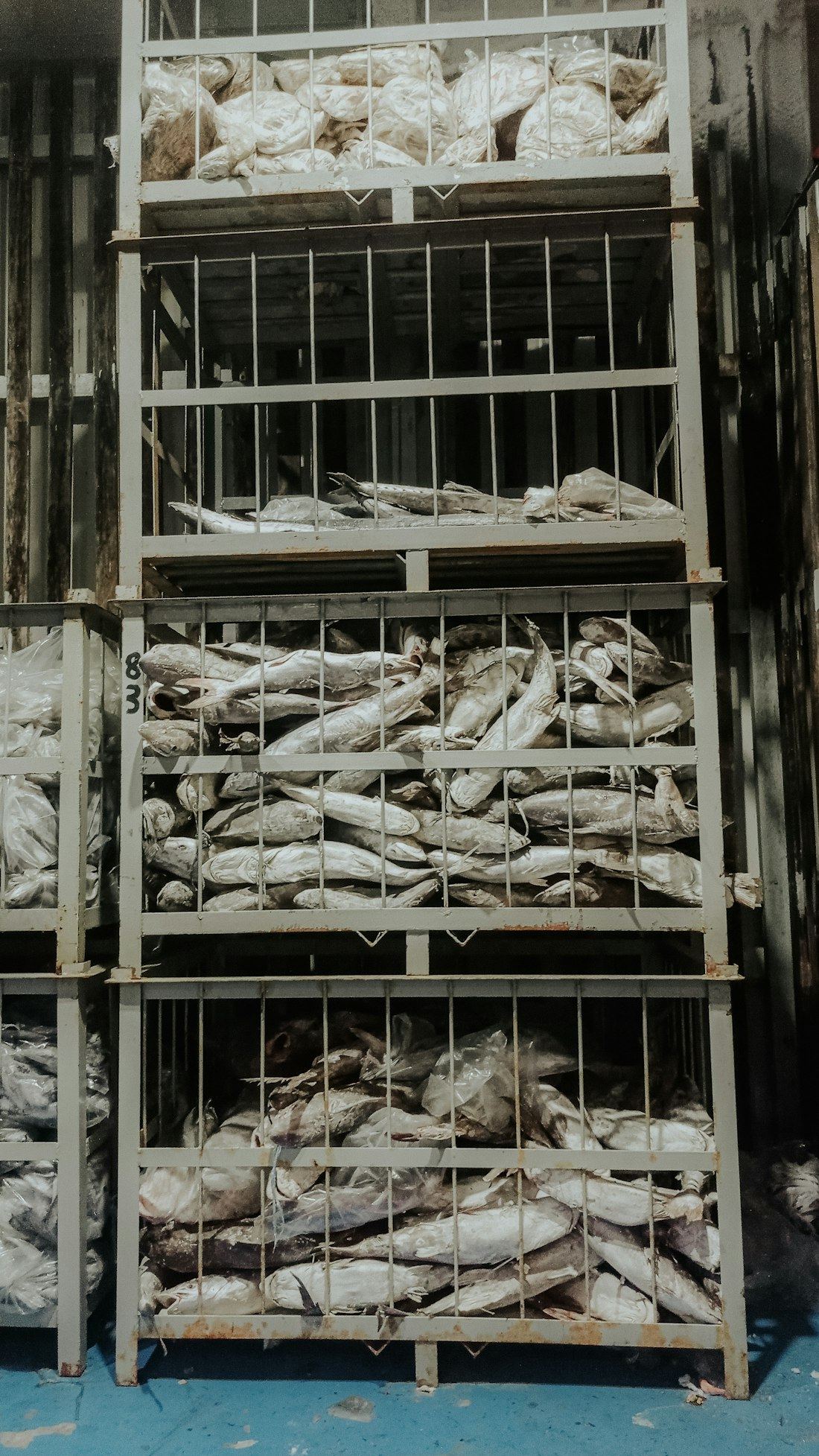
Frozen fish in cold storage cages
StorageUltra-low-temperature 3PL
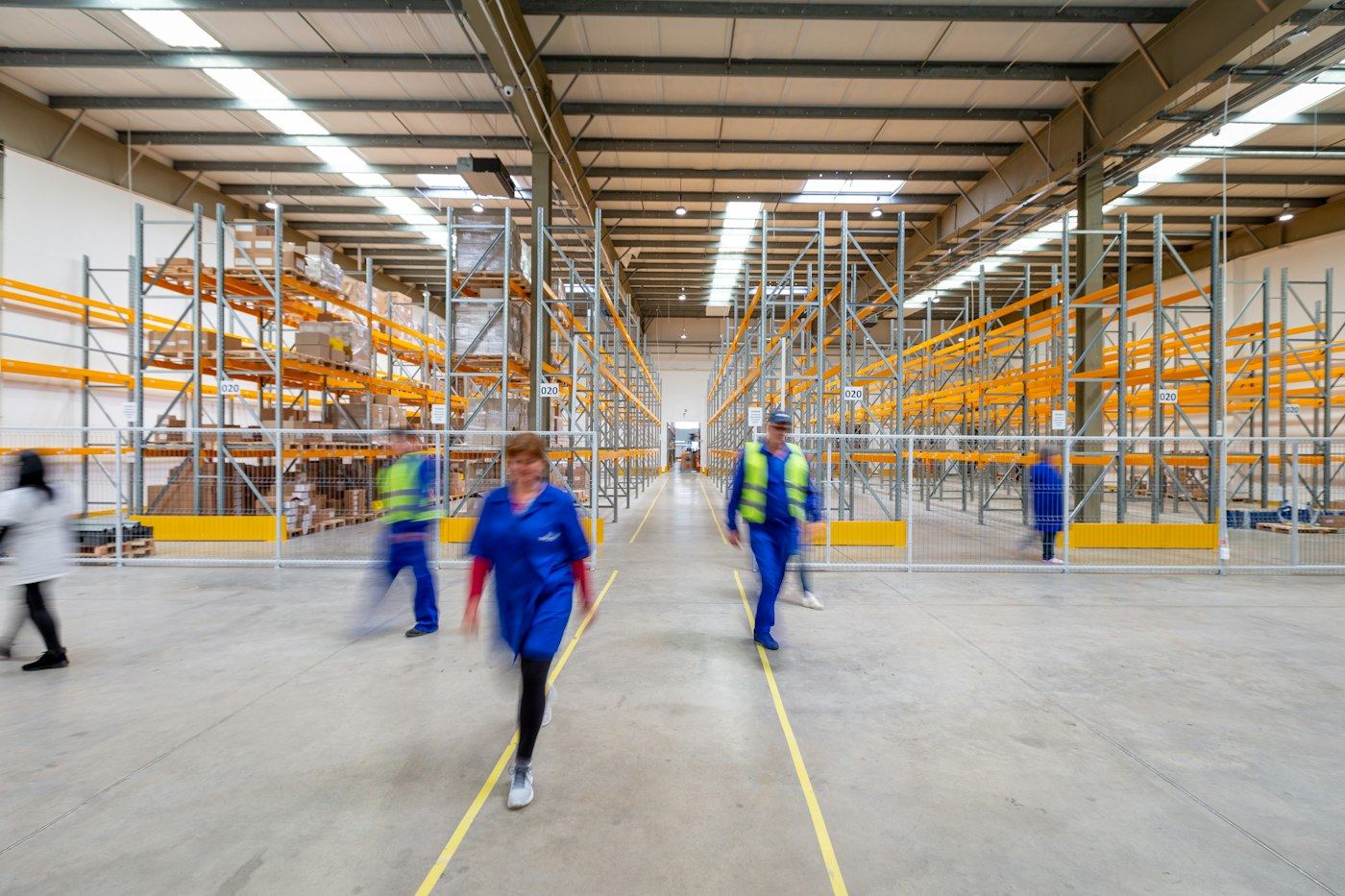
Distribution warehouse aisle with racking
DistributionInventory managed by lot
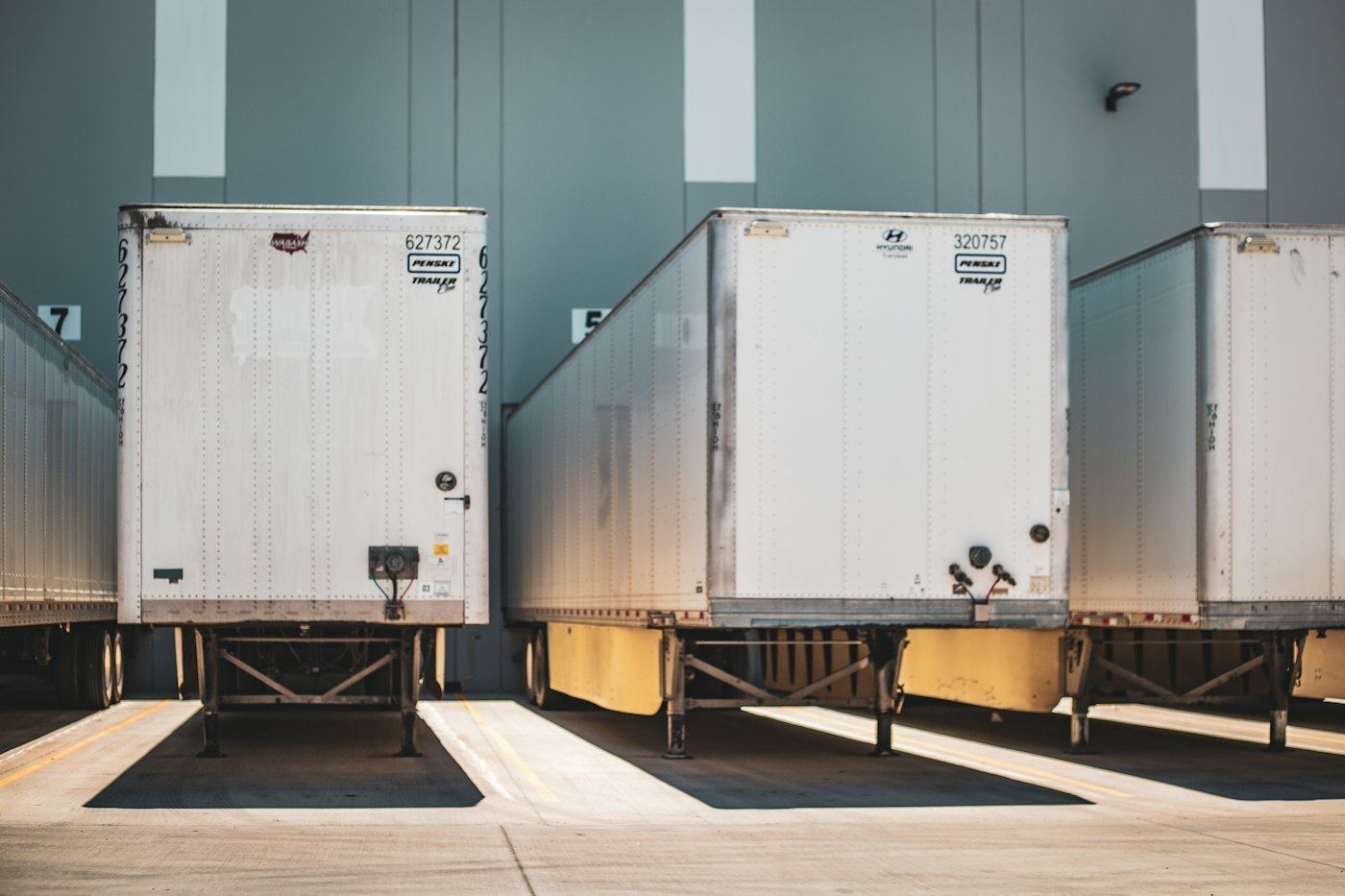
Refrigerated trailers at loading docks
DeliveryRefrigerated trailers

Sales Channels

Our program is built around two established channels, so every container has a planned destination before it leaves Japan.
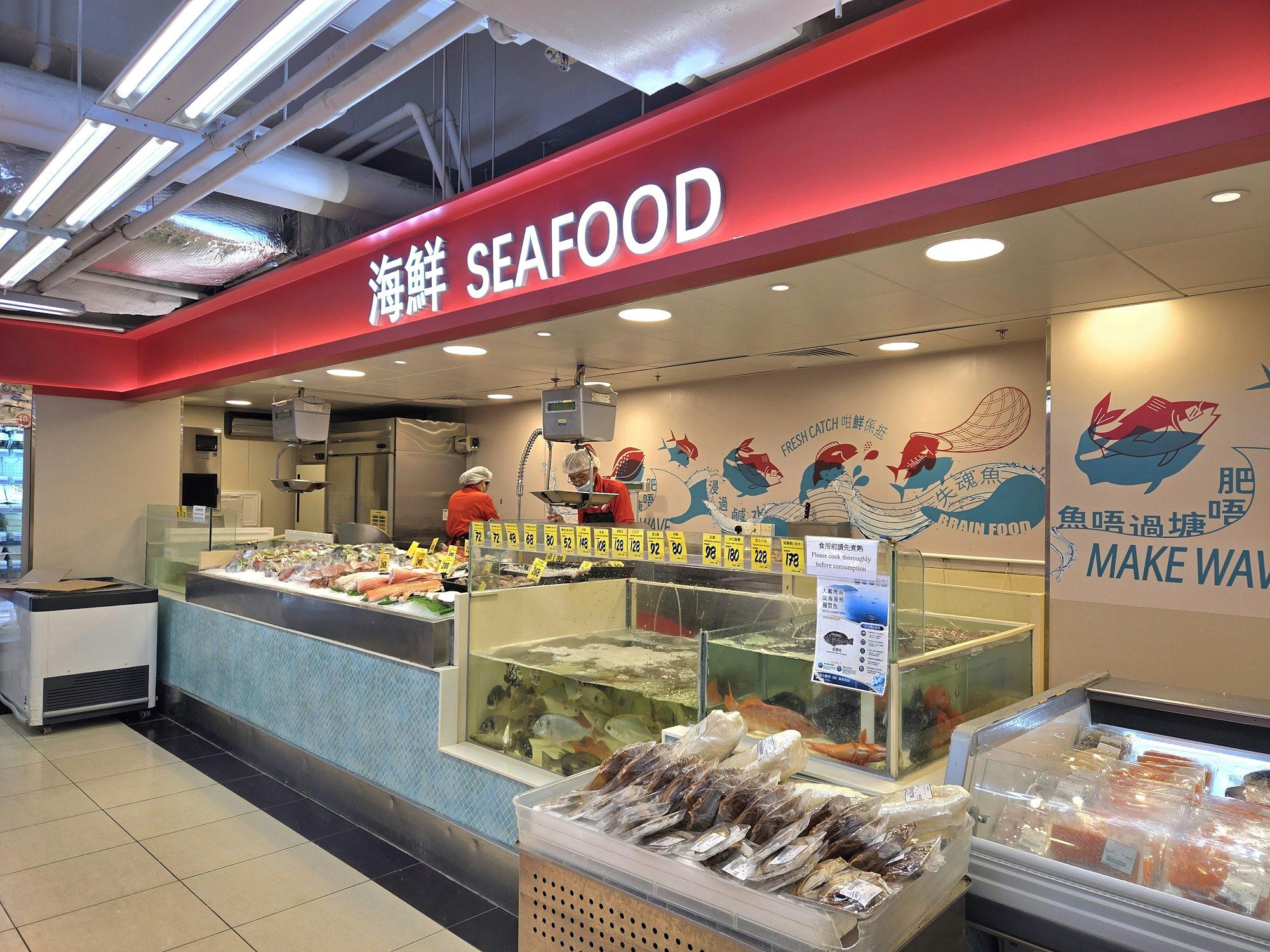
Seafood counter in an Asian supermarket

Major supermarket chains

One of the largest Asian-American supermarket groups in the U.S., with more than 60 stores, already carries our product lines. We work directly with its seafood purchasing team on three formats:
  • Frozen Hamachi fillets and loins for the seafood case
  • Loins for in-store sushi counters
  • Kama and, later, labeled retail packs
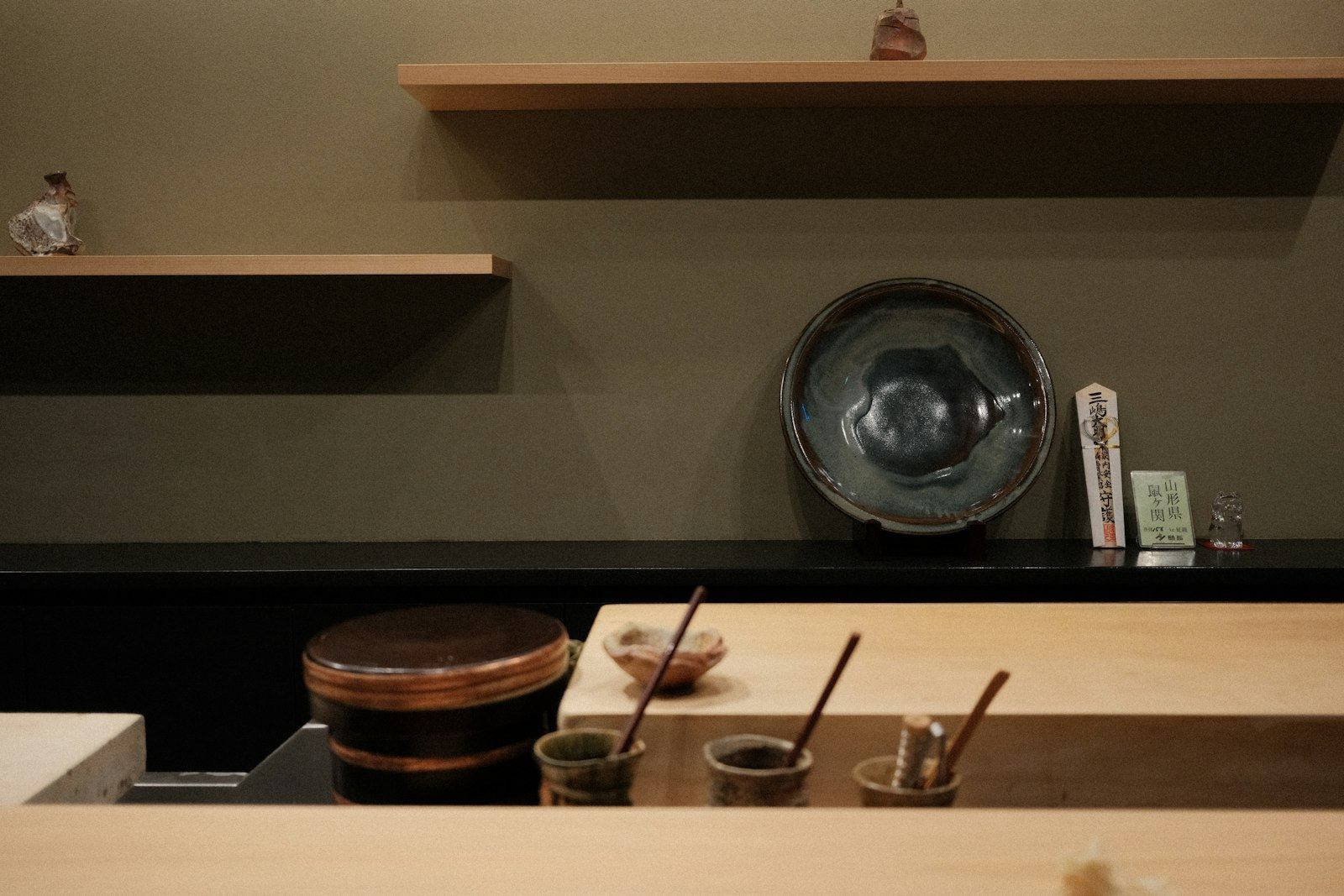
Wooden sushi counter in a Japanese restaurant

Seafood & foodservice distributors

Leading seafood and foodservice distributors in California and the Western U.S. deliver to Japanese restaurants, sushi bars, hotels and caterers. Their scale lets us plan full-container volumes from the first season.

  • Skin-on and skinless fillets for restaurant kitchens
  • Graded loins for sushi bars
  • Kama for grill and izakaya menus

Regulatory Compliance

FDA Seafood HACCP · 21 CFR 123FSMA 204 traceabilityUSDA COOLFDA Prior NoticeCBP entry & origin markingCold-chain records

Supermarket chains set the strictest standards in U.S. seafood. Each requirement, and how we manage it as importer of record, is explained on our quality page.

Quality & compliance in detail
Japanese seafood processors

Supply our Hamachi program.

See how we onboard processors, the documents we need and answers to common questions.

U.S. buyers

Request specifications and availability.

Supermarket seafood buyers and distributors can request spec sheets, samples and program pricing.